
The student behind the sound
After lectures, Malik turns borrowed equipment and a tiny room into a place where campus artists can be heard.

Amina Okello
Editor

By the time the last class ends, Malik is already thinking about the next session. He clears a corner of his room, checks the borrowed microphone and waits for a friend with a new verse to knock.
What started as a way to record his own ideas has become a small meeting place for singers, producers and curious first-timers. Nobody needs a finished song to come in. Sometimes the point is simply to try something aloud.
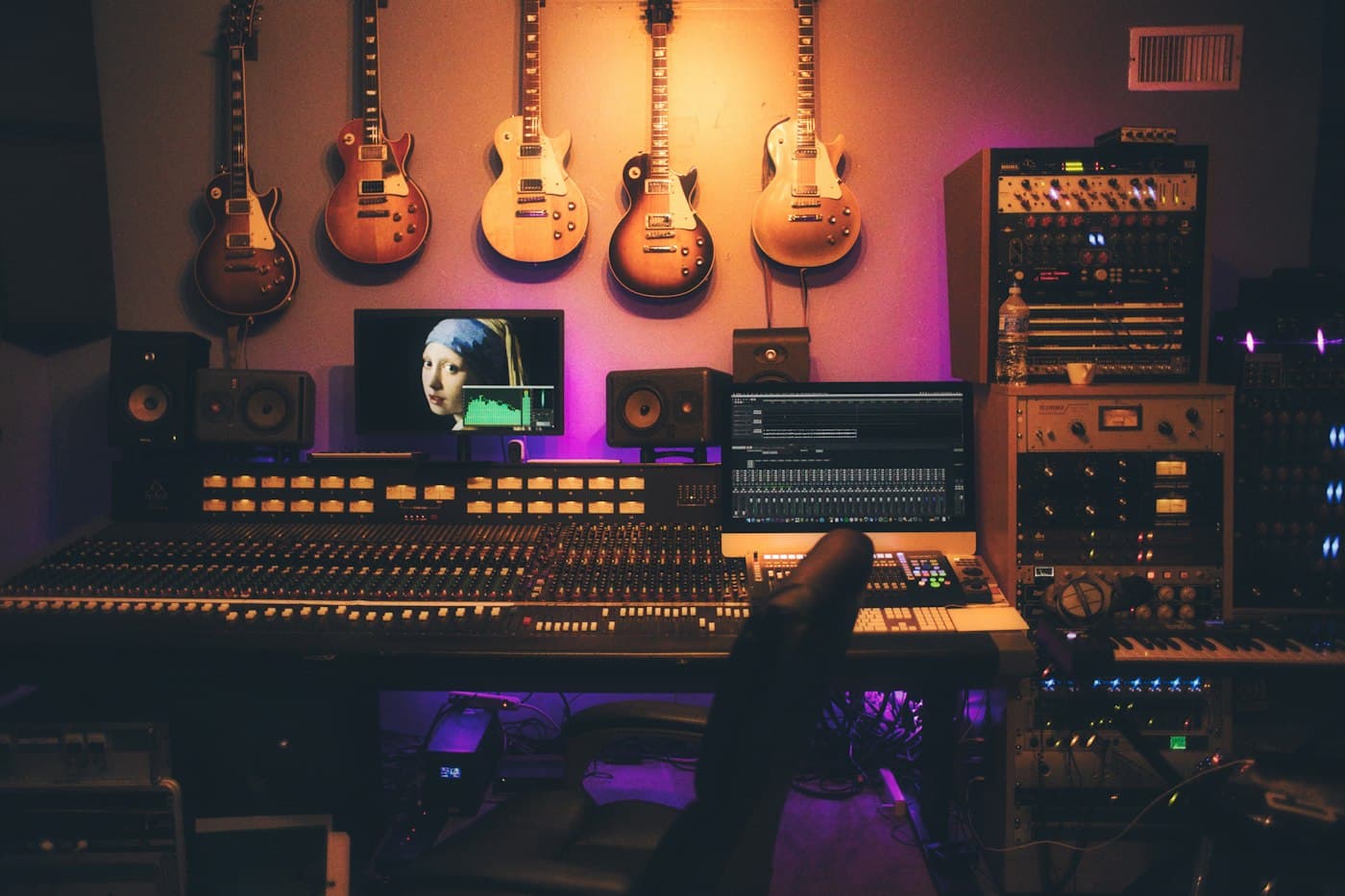
The room changes shape depending on who arrives. A desk becomes a mixing station, coats soften the echo from one wall, and a handwritten list on the door reminds everyone which sessions are booked. It is not the studio Malik once imagined, but it is a place people can return to.
He started by learning one part of the process at a time. A friend showed him how to position a microphone; online tutorials helped him understand the software. His first recordings were uneven, and he kept them. They make it easier to hear how far the work has moved.
A studio made from what was available
The equipment is modest, but the habit is serious. Malik keeps notes on each session, asks artists what they want the track to feel like, and makes space for one more take when it matters.
“You do not need a perfect room to start making something worth sharing.”
His friends help in different ways. One designs cover art, another films short performances, and a third spreads the word before a campus show. The music has become a reason for people with different skills to work together.
Most sessions begin with a conversation rather than a countdown. Malik asks what the artist wants a listener to remember, then they try a rough version before deciding which parts need work. For a nervous first-timer, that slower beginning can make the difference between leaving with an idea and leaving with a recording.
The group shares finished tracks in small circles first. Friends point out the line they replayed or the moment that disappeared under the beat. The comments can be blunt, but they come from people who want the song to land. Malik has learned to treat that response as part of making the music, not a verdict after it.
Finding a crowd
A campus performance gives the work a different test. A song that sounded complete through headphones has to hold a room full of distracted people. Some performers discover that the quiet parts draw listeners closer; others learn they need to leave more space for a chorus everyone can join.
There is no tidy line between the creative work and the practical work. Malik saves for a better microphone while keeping a calendar around class. If a collaborator cannot afford a session, the group finds another way to exchange help. The arrangement is informal, but it depends on showing up when promised.
The next track
Malik still has lectures, deadlines and days when the mix refuses to work. He keeps returning because each finished recording sounds a little more like the community that made it. On campus, that is already a scene.
Written by
Amina Okello
Editor
Related stories
View all ↗
Selling chicks between lectures
Kevin started with a small poultry order. Now he is learning how to balance customers, care and coursework.
Dan Kibet · 3 min read

A thrift rack with a second life
Two friends turned their eye for second-hand clothes into a campus pop-up with a loyal following.
Njeri Wambui · 3 min read

The group building a better timetable
Four classmates saw a daily campus frustration and decided to make a simple tool together.
Njeri Wambui · 3 min read