
Selling chicks between lectures
Kevin started with a small poultry order. Now he is learning how to balance customers, care and coursework.

Dan Kibet
Photographer & writer
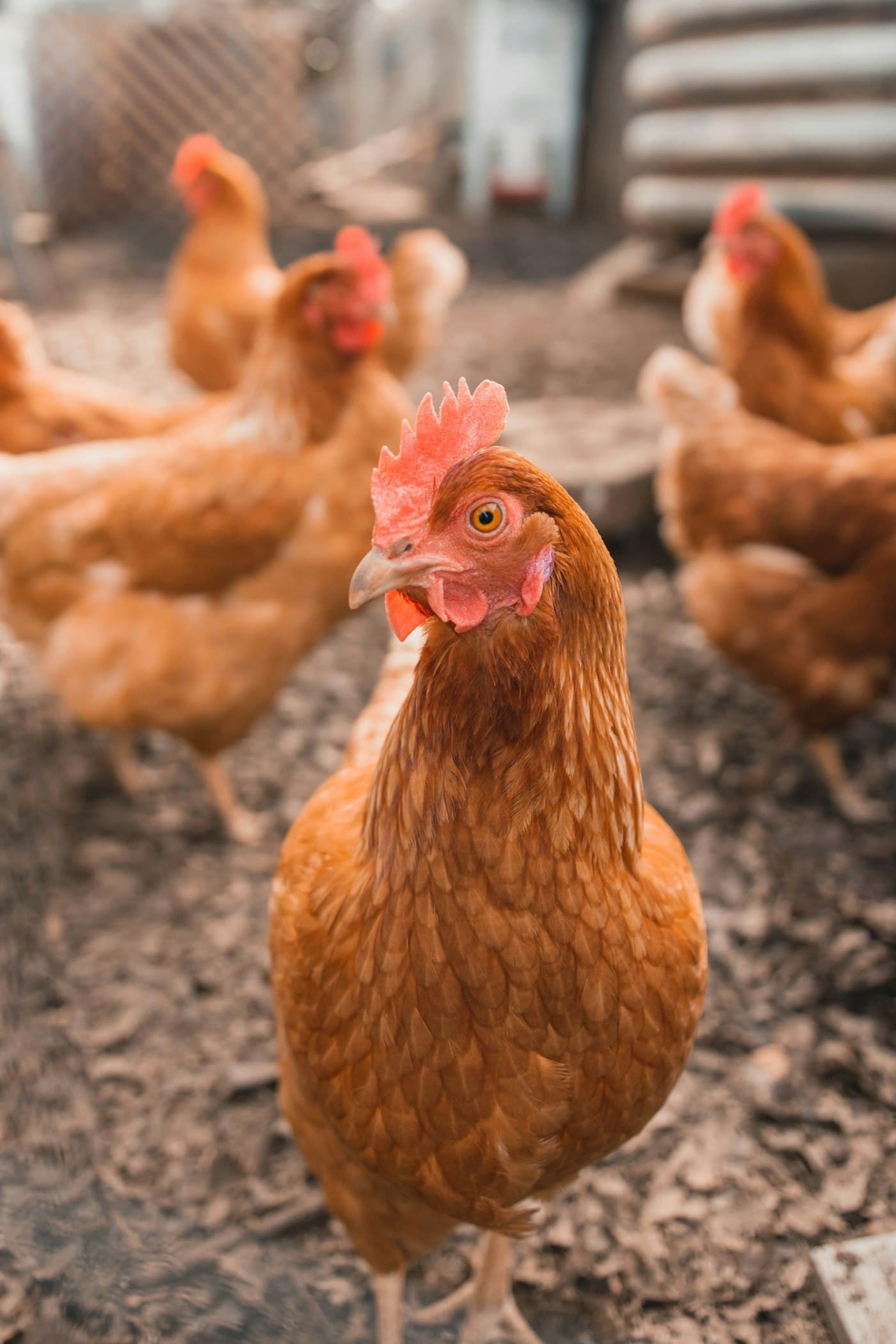
Kevin checks messages before his morning lecture. One customer wants to know when the next batch of chicks will be ready. Another needs advice on collection. His class notes share a bag with a notebook full of orders.
The idea began with a small purchase and a few people who trusted him to deliver. Word travelled through friends, family and campus groups. The demand was exciting, but it made the work more exacting too.
At first Kevin thought the difficult part would be finding buyers. Instead, it was coordinating everything after someone said yes. Collection times had to fit around lectures, the chicks needed proper care, and a delayed message could leave a customer unsure whether the order was still coming.
He began keeping a simple order book with names, quantities, dates and payments. The page is less impressive than a business plan, but it tells him what he owes each person. When a question comes in during class, he can answer from a record rather than memory later.
More than a quick sale
Kevin learned that a poultry venture depends on careful timing and clear communication. He keeps buyers updated, records what each order costs, and does not promise more than he can handle alongside class.
- Keep each customer order and delivery date in one place.
- Separate the cost of stock and transport from money earned.
- Leave room for the unexpected before taking another order.
The venture also changed the way Kevin thinks about trust. Buyers are not only comparing prices. They want to know that he understands the animals, will be clear about timing and will say so when he does not have an answer. He has learned to ask more questions before accepting an order, especially from someone starting with poultry for the first time.
On collection days, a family member helps check the handover while Kevin handles messages. That support makes the small operation possible, but it also means he has to plan around other people's time. He cannot treat help as an unlimited resource just because it comes from home.
Keeping school in the picture
There are weeks when assignments have to come first. On those days he asks for help or slows the next batch. The business has taught him that growth is only useful if he can still do the work well.
He now sets aside a short period each evening for customer updates and another for coursework. The boundary does not always hold, yet having one helps him notice when the business begins to take time he cannot give. A missed deadline in either place costs more than a slower week of sales.
Kevin wants to improve his records and make collection easier before he takes on more customers. For him, progress is less about announcing a larger venture than proving the next order can be handled as carefully as the first.
A venture in progress
He hopes to make the process steadier over time, but he is proud of what the first customers proved: a student idea can become a real service when people are willing to learn in public.
Written by
Dan Kibet
Photographer & writer
Related stories
View all ↗
The student behind the sound
After lectures, Malik turns borrowed equipment and a tiny room into a place where campus artists can be heard.
Amina Okello · 3 min read

A thrift rack with a second life
Two friends turned their eye for second-hand clothes into a campus pop-up with a loyal following.
Njeri Wambui · 3 min read

The group building a better timetable
Four classmates saw a daily campus frustration and decided to make a simple tool together.
Njeri Wambui · 3 min read